February 6, 2026
Understanding when your vehicle's transmission needs service is crucial to maintain its performance and prevent costly repairs. Transmissions are complex systems that require careful attention to function smoothly over the long term. By recognizing the signs of trouble early on, you can address issues before they lead to more serious damage. This article highlights key signs that indicate it's time to have your auto transmission checked by a professional. Pay attention to these details to ensure your vehicle remains reliable and functional.
Unusual Noises
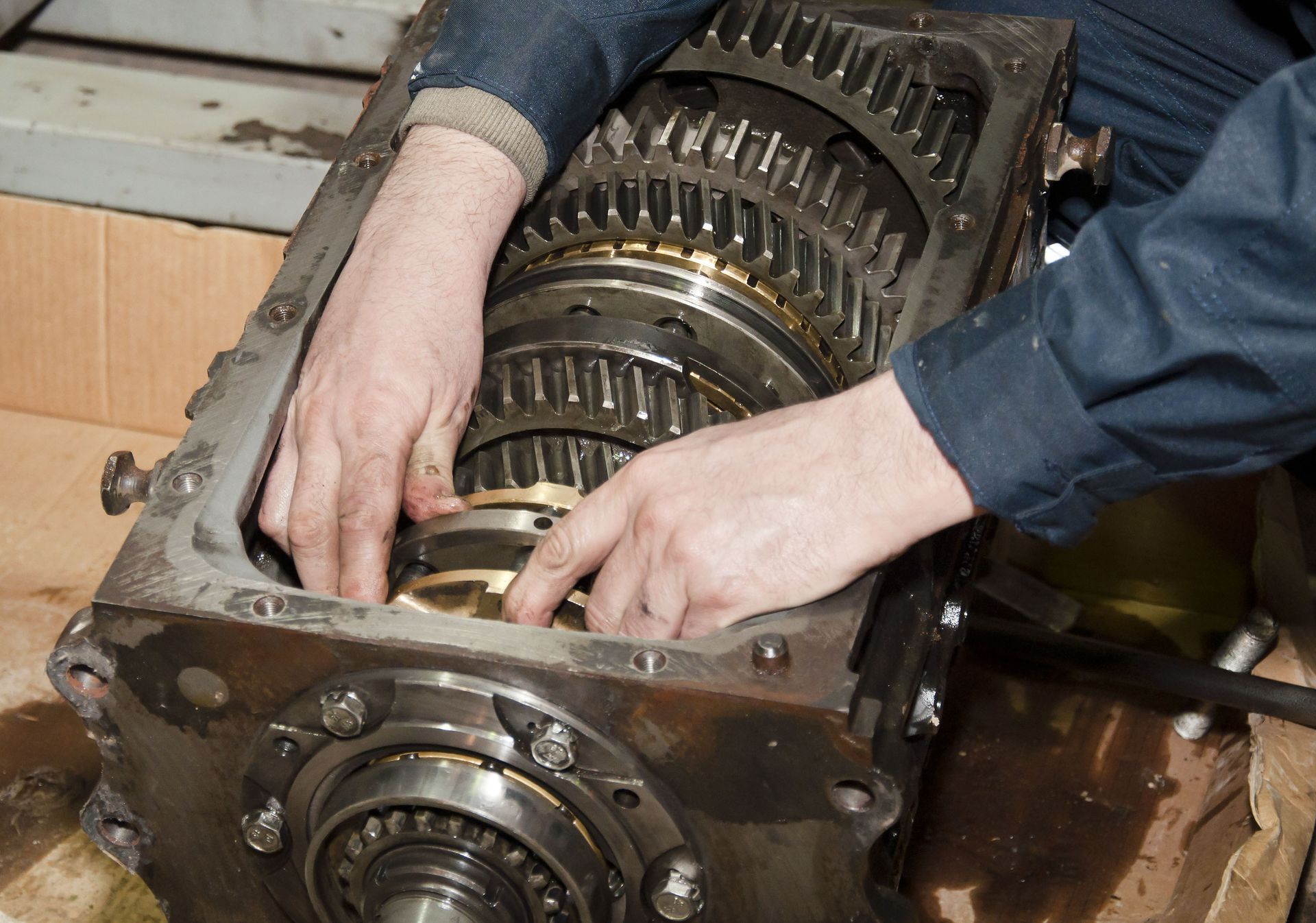
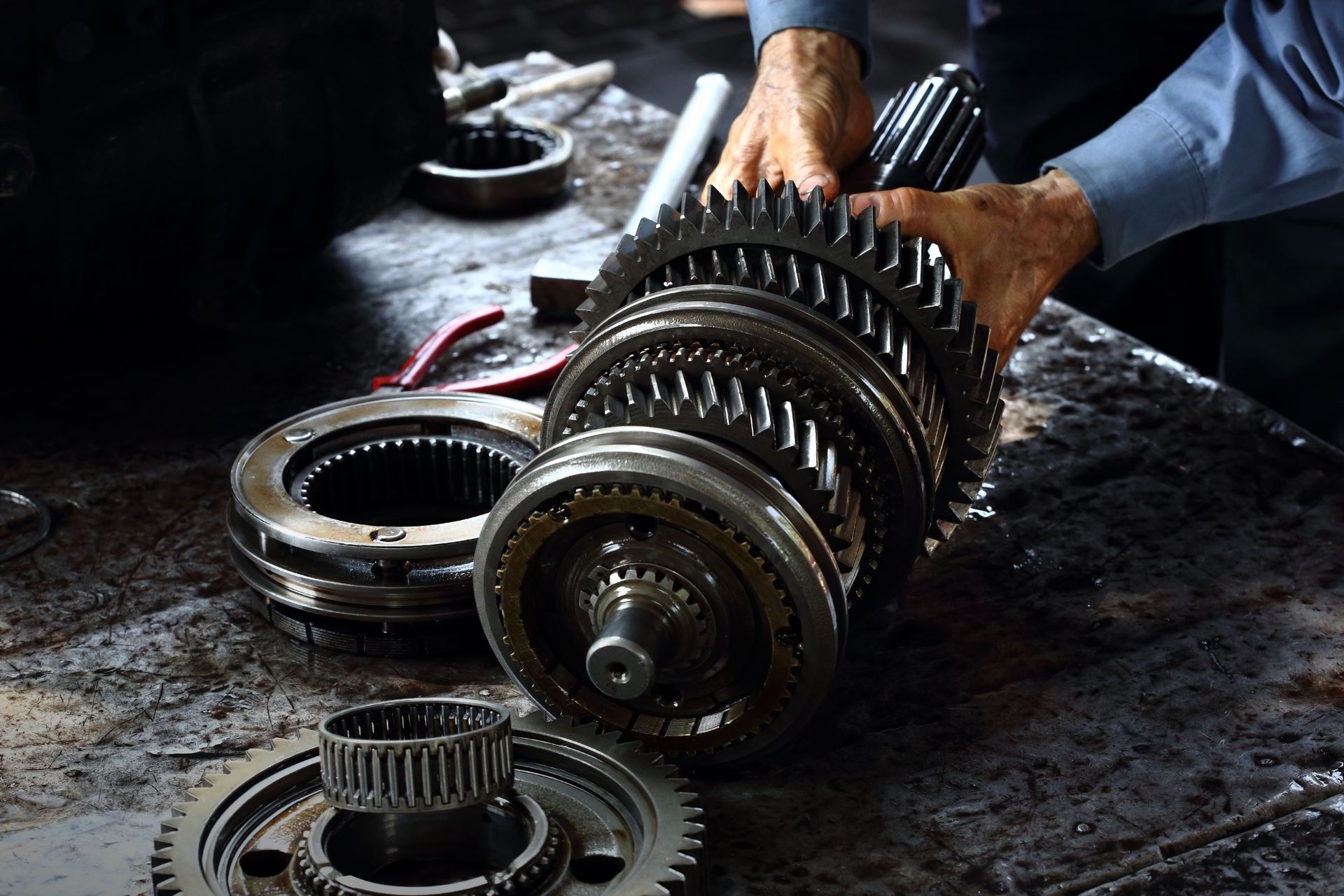
Grinding noises coming from your vehicle may indicate severe transmission problems. These noises often occur when the internal gears become worn or damaged. Without proper lubrication, metal components can rub together, causing a noticeable grinding sound. Mechanics often find that this is caused by a lack of maintenance or old transmission fluid. Early intervention can prevent further damage and extend the lifespan of your transmission.
Whining noises may suggest issues related to transmission fluid levels or condition. A low level of transmission fluid can reduce the hydraulic pressure necessary for proper operation, leading to whining sounds. Additionally, contaminated fluid may not lubricate parts effectively, increasing noise. Regularly checking and maintaining fluid levels can help avert these issues. If whining persists, a professional diagnostic is advised to pinpoint the exact cause.
Buzzing or humming noises are other sounds that might indicate transmission issues. These noises can develop when parts like bushings or bearings wear out. Without replacement, other components may also wear down, exacerbating the problem. It's important to note when and how these noises occur, such as during acceleration or while idling. This information can assist a mechanic in accurately diagnosing the issue.
Slipping Gears
Gear slipping can often be felt as a momentary loss of acceleration while driving. This sensation can occur when your engine's revolutions per minute (RPM) increase with no corresponding increase in speed. Gear slipping can be caused by issues such as solenoid problems, worn gears, or inadequate transmission fluid. Regularly checking and replacing transmission fluid according to the manufacturer's guidelines can prevent such issues. Ignoring gear slippage not only compromises performance but also safety.
Erratic shifting is another indication of potential transmission problems and can affect the driving experience significantly. This can manifest as sudden jerks, delayed gear engagement, or inappropriate shifts at high or low speeds. It's important to monitor when these shifts occur, as they may signal a problem with internal transmission components or the electronic control unit. This symptom should not be ignored, as optimal gear shifting is crucial for your vehicle's performance and longevity. A thorough diagnostic can help identify the exact source of erratic shifting.
Loss of acceleration can be linked directly to transmission issues, particularly if it coincides with slipping gears. When the transmission fails to engage properly, the engine's power does not efficiently reach the wheels. This results in sluggish acceleration that can hinder performance in normal driving conditions and more so in emergency situations. The correlation between transmission and acceleration underscores the importance of regular maintenance. Addressing this issue promptly can mitigate more extensive mechanical failures within the transmission system.
Unresponsive Transmission
A delay in transmission engagement when shifting from park to drive or reverse could indicate issues with the transmission system. This delay may result from a lack of hydraulic pressure or problems within the electronic control system. Each delay can serve as a warning sign that hard-to-see internal issues exist. Prolonged ignoring of these symptoms can cause further stress on the transmission, leading to more severe problems down the line. Addressing these signs early leads to relatively straightforward repairs compared to catastrophic failures. The first automatic transmission was invented in 1900 by Wilson-Pilcher according to Car and Driver, and in our experience, the vast majority of modern vehicles operate with these automatic systems.
Another serious issue is when a transmission becomes stuck in a single gear and refuses to shift smoothly. This can be caused by mechanical problems such as linkage issues or electronic faults like malfunctioning sensors. Driving with a stuck transmission is not advisable, as it puts undue stress on the engine and other drivetrain components. Furthermore, driving like this can greatly decrease the responsiveness and fuel efficiency of the vehicle. Professional diagnostic tools and expertise are required to resolve this issue and restore normal function.
Resistance or difficulty when shifting gears can signal that your transmission is in need of service. Such difficulty may result from worn or damaged clutch assemblies, bands, or gears. This symptom often becomes more pronounced over time if left unattended. Replacing worn components early can prevent more severe damage. Regular maintenance checks help ensure smooth gear transitions and enhance the driving experience.
Leakage of Transmission Fluid
Transmission fluid leaks can lead to major problems if not addressed swiftly. Identifying leaks requires attention to specific signs like visible puddles under the vehicle and low fluid levels when checked. Dips in transmission fluid levels can result in poor gear shifting and overall inefficiencies. Owners can place a cardboard sheet under the vehicle overnight to identify leaks by the morning. Recognizing these symptoms early allows for preventive maintenance, avoiding expensive repair work.
The color and odor of transmission fluid can provide important clues about the health of your transmission. Fresh transmission fluid is typically bright red and clear, with a slightly sweet smell. Fluid that appears dark brown or smells burnt can indicate chemical breakdown and degradation. This suggests that it may not function properly, leading to inadequate lubrication and heat dissipation. Regular servicing and fluid replacement can prevent these complications and contribute to long-term transmission health.
Driving with low transmission fluid levels can have serious consequences for your vehicle. Without adequate fluid, heat is not dissipated effectively, which can lead to overheating. Low levels also reduce hydraulic pressure, affecting the transmission's ability to engage gears smoothly. Complete fluid level depletion could lead to catastrophic transmission failure, requiring an expensive replacement. Continual monitoring and timely refilling of transmission fluid are essential practices to maintain system efficiency.
Warning Lights and Error Codes
Modern vehicles are equipped with a transmission warning light to alert drivers of potential issues. This light is an early indicator that the system has detected a problem requiring professional attention. Ignoring the warning can lead to further transmission deterioration. Immediate service upon activation of this light can prevent more serious mechanical failures.
The check engine light appearing simultaneously with transmission-related trouble codes is a strong indication of an issue. Transmission problems causing such alerts include overheating, fluid leaks, or mechanical malfunctions. Utilizing an OBD-II scanner can help clarify the cause by displaying error codes stored in the vehicle’s computer system. Addressing these warning signs promptly ensures minimal disruption to vehicle performance.
OBD-II scanners are essential tools for reading transmission-related trouble codes. These scanners communicate with your vehicle's onboard computer to pinpoint issues affecting performance. Transmission codes give insight into specific issues, such as solenoid failures or sensor malfunctions. Using an OBD-II scanner takes the guesswork out of diagnosing transmission problems.
Being attentive to these transmission service signs can help you avoid extensive damage and costly repairs. Regular
auto transmission service and early intervention can extend your vehicle's lifespan and ensure a smoother driving experience. Consulting automotive professionals who understand modern transmissions guarantees accurate diagnostics and effective repairs. Contact Sparky's Transmission today to take charge of your vehicle's health and schedule your auto transmission service to help keep your drives safe and reliable.